
Motorcycle Shipping: What Riders Should Know
Bikes ship well when the securement is right and poorly when it is not.
Bikes ship well when the securement is right and poorly when it is not. This guide covers equipment, preparation and the questions worth asking before booking.
This guide is written for vehicle owners in Glendale, Phoenix and the wider West Valley. If you would rather talk it through, call (602) 844-1826 and we will answer directly.
Related service: Motorcycle Shipping.
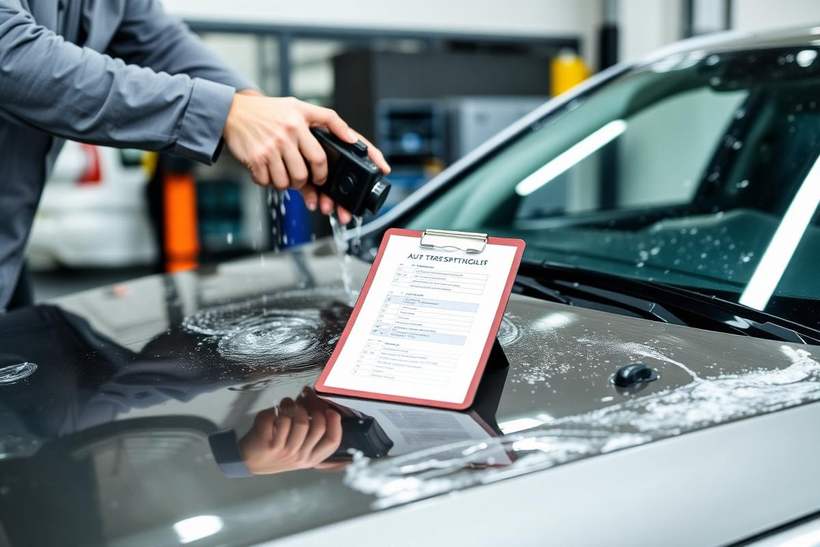
Equipment used for motorcycles
The physical handoff is short. A driver arrives, walks the vehicle with you, notes existing condition, loads, secures, and leaves. Most of the value in a shipment is created before that moment, in the planning that put the right truck on the right lane with the right equipment for your vehicle.
Vehicles are secured with wheel straps, chains or soft ties depending on the chassis. Modern practice favours over-the-tire straps for unibody cars because they hold the vehicle by the wheels rather than pulling on suspension components. Older frames and heavy trucks may still use chain hooks at rated points.
A carrier's route is a chain of commitments. Each stop influences the next, so a delay at an earlier pickup can shift the timing of yours. Well-run shipments account for that by working with realistic windows instead of single fixed times, and by keeping the customer informed as the picture becomes clearer.
Speedy Car Logistics Glendale coordinates vehicle shipping rather than pretending every truck on the road is our own. That distinction is worth stating plainly: our job is planning the shipment, selecting equipment appropriate to the vehicle, keeping communication clear, and making sure the paperwork and handoffs happen properly at both ends of the trip.
Crated versus uncrated
Availability differs between the two. Open carriers run constantly on Arizona lanes, so open bookings usually schedule quickly. Enclosed carriers are fewer, and enclosed shipments benefit from extra lead time, especially around collector-car events when demand concentrates sharply.
There is no rule that says a valuable car must ship enclosed or that a modest car cannot. The practical questions are whether the finish is difficult or expensive to correct, whether the vehicle is irreplaceable, and whether the owner would be comfortable with the same exposure the car would face on a highway drive.
Whichever you choose, the securement standards are the same in principle: the vehicle is held by the wheels or rated frame points, checked at intervals, and documented before and after. The difference is the environment it travels through, not the care taken to keep it in place.
Open transport is the default for good reason. Roughly the same conditions a vehicle faces when driven apply on an open trailer: sun, wind, rain and road dust. For a daily driver with an ordinary factory finish, that exposure is unremarkable, and the wide availability of open equipment usually means faster scheduling.
Preparing a bike for transport
Fold in the mirrors, remove roof racks, bike carriers, spoilers and any loose exterior accessory. Anything that can be removed easily should be, both to prevent damage and because protruding accessories can affect how the vehicle fits in its assigned position on the deck.
Wash the vehicle before pickup. It sounds cosmetic, but a clean exterior is the only way an inspection can accurately record existing chips, scratches and dents. Dust hides small damage, and damage that cannot be seen at pickup cannot be compared with the vehicle's condition at delivery.
Photograph the vehicle thoroughly in daylight. Take wide shots of each side, then closer images of the bumpers, wheels, mirrors, roof and any existing imperfection. Photograph the odometer and the fuel gauge as well. The whole exercise takes ten minutes and gives you a dated record that is entirely your own.
Have your keys ready. Most carriers want one working key for the ignition and doors; keep your spare. If the vehicle needs a specific procedure to move in and out of transport mode, write it on a card and leave it with the driver.
Loading and securement
Plan to spend fifteen to thirty minutes at pickup. You and the driver walk the vehicle together, note its condition on the bill of lading, agree on what is recorded, and then the vehicle is loaded and secured. Read the condition notes before signing rather than after.
Once the vehicle is secured, confirm you have a copy of the bill of lading and a way to reach the driver or dispatcher. Those two things cover almost every question that comes up while the vehicle is on the road.
Take your own photos again just before the vehicle is loaded, ideally with the truck visible in frame. It costs nothing and gives you a timestamped record that lines up with the carrier's paperwork at the moment the vehicle changed hands.
Full-size car carriers are long, heavy and difficult to reverse. Many residential streets in the Valley accommodate them without difficulty; others do not. If your street is narrow, has low branches, tight corners or restrictive parking, a nearby shopping center or wide arterial road makes a far better loading point.
What affects motorcycle shipping cost
To request a quote for vehicle shipping, the useful details are simple: both ZIP codes, the year, make and model, whether the vehicle runs, your preferred timing and whether you want open or enclosed equipment. With those in hand we can give you a realistic figure rather than a placeholder.
Flexibility is genuinely worth money. A customer who can accept a pickup within a several-day window gives the planner more routes to work with, and more options usually mean a better rate. A customer who needs a specific day narrows the field, and the price generally reflects the narrower set of choices.
Vehicle dimensions translate directly into deck space. A compact car occupies less length and weight allowance than a full-size pickup, and a trailer has a legal weight limit it cannot exceed. When a single oversized vehicle displaces what would otherwise be two smaller ones, the quote reflects that reality.
Quotes are estimates until a carrier is assigned to the lane. We will always tell you what a quote is based on and what could change it, because a price presented as a guarantee and then revised is worse than an honest range explained clearly at the beginning.
Delivery and first ride checks
Inspect in good light and take your time. Walk all four sides, check the roof, look at the wheels and lower panels, and compare what you see with your own photographs. If it is dark or raining, use a flashlight and note on the paperwork that conditions limited the inspection.
Delivery mirrors pickup. The driver calls ahead, meets you at an agreed location, unloads the vehicle and walks it with you against the condition report created at the start. Only after that comparison is complete should the paperwork be signed.
Start the vehicle before the driver leaves. Confirm it runs, check that the lights and electronics respond, and make sure nothing obvious has changed. A battery that died during a long trip is easier to resolve while a truck is still on the street.
Keep your copy of the completed bill of lading. Together with your own photographs, it forms the complete record of the shipment, and it is the first thing anyone will ask for if a question arises later.
Common rider questions
People often assume enclosed transport is only for exotic cars. Ground clearance, delicate paintwork after restoration, and simple owner preference are all equally valid reasons to choose an enclosed trailer.
Finally, many people believe booking must happen months ahead. Lead time helps, particularly in peak season, but plenty of shipments are arranged within a week when the lane has capacity.
Some customers expect a guaranteed delivery date. Reputable transport works in windows because the road does not cooperate with fixed schedules. Anyone promising an exact hour a week ahead is describing a hope rather than a commitment.
Some expect the driver to park directly outside any address. Door-to-door means as close as the equipment can legally and safely reach, which in tight neighbourhoods means a nearby lot with room to manoeuvre.
Questions About Your Shipment?
Call (602) 844-1826 or request a free quote and we will walk through the options with you.
Frequently Asked Questions
What affects the cost of vehicle shipping?
Distance, vehicle size and weight, whether you choose open or enclosed equipment, whether the vehicle runs, how accessible both addresses are, and current demand on the lane. Because those inputs move, we quote based on your actual details rather than a fixed price list.
How long does vehicle shipping usually take?
Short trips within Arizona are often completed in a day or two, regional routes typically take one to three days, and cross-country moves generally fall in a seven to ten day range. These are realistic estimates rather than guarantees, since weather, traffic and hours-of-service rules all affect a route.
How should I prepare my vehicle?
Wash it, photograph it in daylight, remove personal belongings and exterior accessories, leave about a quarter tank of fuel, check tire pressure and battery condition, disable alarms and toll transponders, and be ready to hand over one working key.
Can I leave personal items in the vehicle?
We recommend against it. Carriers are authorised to transport vehicles rather than household goods, items left inside are typically not covered, and loose objects can shift during a trip. Anything valuable should travel with you.
How far in advance should I book?
A week or more of lead time gives the most flexibility, and longer is helpful during the autumn and spring seasonal peaks in Arizona. Shorter notice is often workable when the lane has available capacity, so it is always worth calling.
What happens if something is wrong at delivery?
Note it on the bill of lading before you sign, photograph it immediately, and contact us the same day. The condition report from pickup is the comparison point, which is why the inspection at both ends matters so much.
Where to Go Next
Read more about Motorcycle Shipping, review our full service list, or check local details on our Glendale and Phoenix pages.
Continue Exploring
Nearby Service Areas
Start at our vehicle shipping home page, compare every option on the services overview, or contact our Glendale office.